History & Myths – Rose Quartz Through the Ages
The fascination with rose quartz is not a new phenomenon. Since ancient times, legends have surrounded the pink stone, and it has been revered in diverse cultures for both its beauty and its attributed powers.
History & Myths – Rose Quartz Through the Ages
The fascination with rose quartz is not a new phenomenon. Since ancient times, legends have surrounded the pink stone, and it has been revered in diverse cultures for both its beauty and its attributed powers.
From Ancient Love Myths to Feng Shui
For millennia, rose quartz has captivated humanity not only with its gentle color and beauty but also with its symbolic and mythological significance. Even in ancient times, the stone was revered as a bearer of love, harmony, and emotional balance. Archaeological finds in Egypt, Greece, and Rome show that rose quartz was used not only as jewelry but also as an amulet, talisman, and decorative element in artworks. The symbolic power of rose quartz spans cultures and eras, retaining its fascination to this day.
Rose Quartz in Ancient Egypt
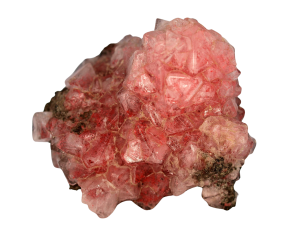
In Egypt, rose quartz was regarded as a stone of beauty and immortality. The ancient Egyptians used it as amulets for protection against harm, as talismans for a long life, and to preserve youthful beauty. Rose quartz burial offerings have been found in pharaohs’ tombs, highlighting its high value. Even then, the stone’s delicate pink appearance was associated with the gentle power of the heart, love, and harmony—qualities that played a central role in Egyptian mythology.
Greek and Roman Symbolism
In Greek mythology, rose quartz is closely associated with Aphrodite, the goddess of love and beauty. The stone symbolized passion, romance, and friendship, and was valued as a gift of love. The Romans also used rose quartz both as a gemstone and for decorative purposes. They believed it promoted friendship and inner peace while dispelling negative emotions. In ancient mosaics, signet rings, and sculptures, rose quartz appears as a symbol of emotional balance. These traditions form the foundation for the stone’s enduring association with love, compassion, and harmony.
Legends & Myths
Rose quartz is surrounded by numerous legends and myths. One of the most well-known tells that the stone was formed from the blood of lovers who had fallen in battle, with its color symbolizing eternal love. Other myths describe it as the “stone of the heart,” capable of healing emotional wounds and enhancing compassion for others. In medieval alchemy, rose quartz also played a role, being regarded as a stone of inner purity and spiritual development. These mythological stories continue to contribute to rose quartz’s reputation as a symbol of harmony, self-love, and emotional healing.
Legends & Myths
Rose quartz is surrounded by numerous legends and myths. One of the most well-known tells that the stone was formed from the blood of lovers who had fallen in battle, with its color symbolizing eternal love. Other myths describe it as the “stone of the heart,” capable of healing emotional wounds and enhancing compassion for others. In medieval alchemy, rose quartz also played a role, being regarded as a stone of inner purity and spiritual development. These mythological stories continue to contribute to rose quartz’s reputation as a symbol of harmony, self-love, and emotional healing.
Rose Quartz in Different Cultures
Beyond antiquity, rose quartz has played a central role in various cultures. In China, it was used to create sculptures and jewelry and was revered as a symbol of peace, love, and harmony. In Indian traditions, rose quartz is regarded as the “stone of the heart,” helping to open the heart chakra and support the flow of positive energy. While each culture attributed specific meanings to the stone, its fundamental association with love, compassion, and emotional balance has remained universal.
Modern Reception
Today, rose quartz has experienced a renaissance, not only as a gemstone but also as an element in wellness and meditation practices. In esoteric traditions, it is considered a stone that strengthens the heart chakra, releases internal blockages, and promotes self-love. Rose quartz is used in meditation, Feng Shui applications, facial massages, and decorative arrangements to generate harmonious energy and support emotional balance. It has also become firmly established in modern jewelry design: rings, necklaces, bracelets, and pendants made from rose quartz combine aesthetic beauty with symbolic depth and emotional impact.
The “History & Myths” section demonstrates that rose quartz is not just a beautiful gemstone but a cultural phenomenon that has fascinated people for millennia. From antiquity through medieval alchemy to modern wellness practices, its symbolic meaning—love, harmony, and emotional balance—runs as a common thread. Those who wear or use rose quartz become part of an age-old tradition in which beauty, symbolism, and emotional impact are closely intertwined.
The “History & Myths” section demonstrates that rose quartz is not just a beautiful gemstone but a cultural phenomenon that has fascinated people for millennia. From antiquity through medieval alchemy to modern wellness practices, its symbolic meaning—love, harmony, and emotional balance—runs as a common thread. Those who wear or use rose quartz become part of an age-old tradition in which beauty, symbolism, and emotional impact are closely intertwined.